
Medical students to live, work and train in Te Tauihu / Nelson Marlborough from 2029
12 June 2026
The Nelson, Tasman and Marlborough region – Tauihu o te Waka a Māui – is set to benefit from a new partnership with the new Graduate School of Medicine being established by the University of Waikato.
Announced on 11 June by Minister of Health Simeon Brown and the University of Waikato, Marlborough Primary Health (MPH) and Nelson Bays Primary Health Trust (NBPHT) have won their bid to each build a Community Clinical Learning Centre that will host the university’s medical students.
With strong, united backing by Te Tauihu iwi and local councils, the initiative will bring 12 students to Nelson and 8 to Marlborough each year, starting in 2029 when the first intake of students to the Graduate School of Medicine in 2028 reach their second year of training.
Second- and third-year students will live and train in Te Tauihu – immersed in local healthcare settings such as Nelson and Wairau hospitals, general practices, after-hours medical centres and community healthcare services.
The Community Clinical Learning Centres will provide a base for training, research and student support, and students will train and learn with local clinicians and healthcare experts.
Mark Peters, Marlborough Primary Health Chair, says that the initiative is a significant step forward in the right direction for Marlborough.
"The healthy, long-standing relationships that Marlborough Primary Health has built with Council and local iwi have come to fruition with this win for the region.
“Marlborough clearly stood out from the other applicants to host and teach medical students from the country's newest school of medicine.
“That, and the excellent work by Beth Tester and her management team, gave us the competitive edge that will have long-term benefits for Marlborough and its people,” Mr Peter says.
Beth Tester, Chief Executive of Marlborough Primary Health and is delighted with the successful bid, saying that Te Tauihu is the only region in the South Island to have won its bid.
“There is everything to gain and nothing to lose for our healthcare system, whānau and healthcare users and wider community,” says Beth, adding that the support of Te Tauihu iwi and councils were pivotal to the win.
“We know that students who train rurally and in provincial regions are more likely to practice here also.
“This is exactly what we need in Te Tauihu to boost our future healthcare workforce and ease the increasing strain on our excellent but pressured hospitals and primary care clinics,” Beth says.
“This in turn, will benefit the health and wellbeing of whānau in Te Tauihu and reduce inequities in the lives of Māori, Pasifika and people who live in rural and lower socio-economic areas.
“We have persistent shortages of GPs, nurses and nurse practitioners in Te Tauihu, despite the collective efforts of our healthcare providers and wider community to attract, support and retain workers.
“Te Tauihu is not alone in this situation – it is experienced in other parts of New Zealand like ours. And it affects some people more than others, in terms of how they can and cannot access services, which creates unacceptable inequities.
“But now, with this exciting development, we will have the opportunity to improve the pipeline of new healthcare workers to Te Tauihu.
“We are so delighted at the prospect of hosting and supporting these wonderful young students who are ready to dedicate themselves to making a positive difference in people’s lives.”
"This is exactly what we need in Te Tauihu to boost our future healthcare workforce and ease the increasing strain on our excellent but pressured hospitals and primary care clinics.”
- Beth Tester, Chief Executive of Marlborough Primary Health
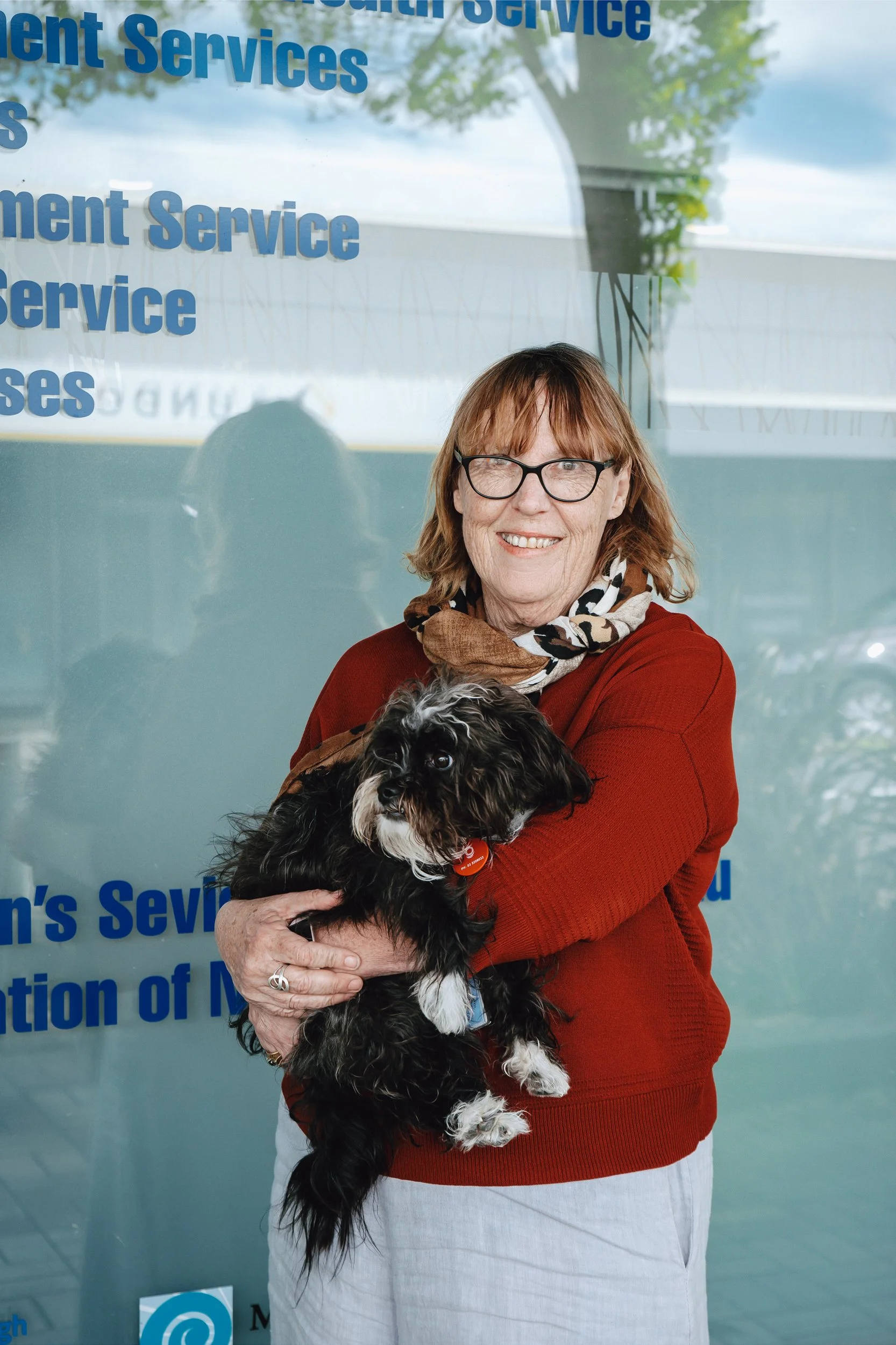
Beth says that Te Tauihu’s strong, proven culture of collaboration is recognised in the successful bid.
“It’s a defining characteristic that we can all be proud of – our iwi, councils, primary care organisations, education providers, NGOs and community groups work closely together on the things that matter most to our people and our future,” Beth says.
Sara Shaughnessy, Chief Executive of Nelson Bays Primary Health Trust says: “This is about building a sustainable future workforce for our region . By training doctors here, in our communities, we increase the likelihood that they will stay - and that is critical for improving access and outcomes for our whānau."
“This was a great team effort - Marlborough Primary Health worked in partnership with Marlborough District Council and Rangitāne o Wairau to submit a proposal to the University of Waikato to establish a Community Clinical Learning Centre and medical education partnership in Marlborough.”